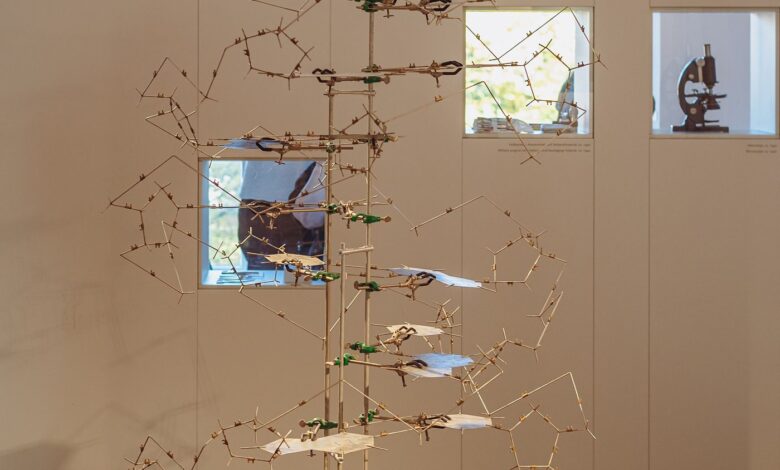
The world creates more digital information every year than all the world’s hard drives can easily hold, and most of it is stored on disks that must be replaced every few years. DNA offers a startling alternative. A single gram of DNA can, in theory, hold hundreds of millions of gigabytes, and it can survive for thousands of years in a cool, dry place; scientists have read DNA from bones tens of thousands of years old. Researchers have already stored books, images, music and whole operating systems in synthetic DNA, writing the data as sequences of the four chemical letters that make up the genetic code and reading it back with a standard sequencing machine. The writing is slow and expensive today, but the density is unmatched: the entire contents of a data centre could fit in a shoebox.
What the Evidence Shows
The technology is still far from everyday use. Writing DNA costs far more than writing to a hard drive, and reading it takes hours, so it is best suited to archives that are rarely touched: national records, scientific data and cultural heritage. Companies are working on faster, cheaper DNA synthesis, and researchers are developing ways to search inside a DNA archive without reading all of it. The first customers are likely to be archives and libraries, which need to preserve information for centuries. Experts say DNA storage will not replace hard drives, but it could become the vault where humanity keeps the data it cannot afford to lose. Reporting and analysis from sources such as MIT Technology Review track the same developments, and specialists following the DNA data storage systems say the direction is now consistent across independent lines of evidence.
The Wider Context
The wider context is an industry learning to ship capability and restraint together. Products built around the DNA data storage systems now launch with safety evaluations, usage data and rollback plans as standard, because enterprise buyers and regulators ask for them in the first meeting. Companies that treated those questions as friction are discovering they have become the purchase criteria.
What Happens Next
What happens next for the DNA data storage systems depends less on another breakthrough than on the unglamorous work of reliability, pricing and support. The buyers evaluating it now are not enthusiasts; they are operators with budgets and auditors, and their checklists will decide the timeline. On the evidence of the current pilots, the technology has earned the right to be judged by them. You can follow related developments in our coverage of technology.
There is a practical lesson in all of this for readers deciding what to do today. Start with the verified facts, be wary of anyone promising certainty, and prefer reversible steps while the evidence is still developing. Circumstances differ by country, income and personal situation, so general guidance should always be weighed against your own context before you act on it in any significant or lasting way.