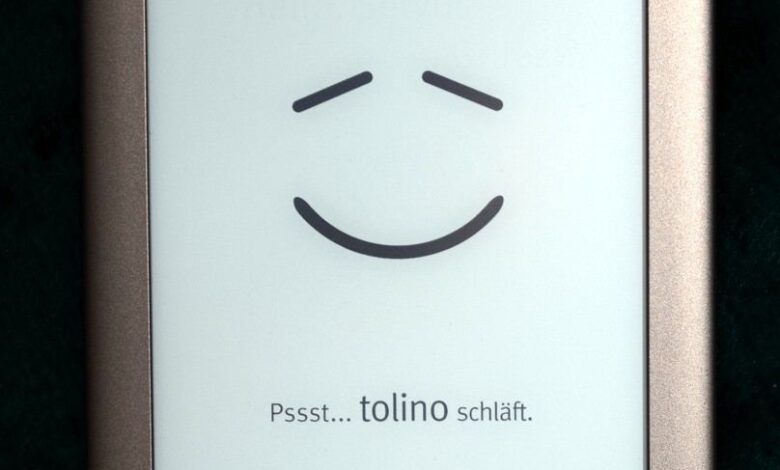
An e-reader looks nothing like a tablet. Its screen does not glow with backlit colour but instead uses tiny capsules of black and white particles that rearrange themselves to form letters, much like ink on paper. The result is a display that is easy on the eyes, readable in bright sunlight and gentle on battery life, since power is only used when the page changes. A single charge can last for weeks, and the device can hold thousands of books in a package lighter than a paperback. For readers, the appeal is simple: a whole library that fits in a coat pocket, with adjustable text size for tired eyes and a built-in light for reading in bed. Bookshops and libraries have embraced the format, and many readers now keep both paper books and an e-reader, choosing whichever suits the moment. It is a device built for readers, not for everything else a screen can do.
What the Evidence Shows
The technology behind these quiet devices has improved steadily over the years. Modern e-readers have sharper screens, warm-toned front lights that adjust to the time of day and waterproof cases for reading by the pool or in the bath. Some models add a stylus for taking notes in the margins, while others support audiobooks for listening on the move. Colour e-ink has also arrived, bringing muted tones to comics and illustrated books, though it is still less vivid than a tablet screen. The devices are deliberately limited: they do not run social media or video, which many readers see as a feature rather than a flaw. For people who read every day, that focus is the point. An e-reader does one thing well, and it does it without the distractions of a general-purpose screen. For readers, that single-minded focus is exactly the appeal. Reporting and analysis from sources such as Wired track the same developments, and specialists following the e-ink readers bringing paper-like screens to book lovers say the direction is now consistent across independent lines of evidence.
The Wider Context
The wider context is an industry learning to ship capability and restraint together. Products built around the e-ink readers bringing paper-like screens to book lovers now launch with safety evaluations, usage data and rollback plans as standard, because enterprise buyers and regulators ask for them in the first meeting. Companies that treated those questions as friction are discovering they have become the purchase criteria.
What Happens Next
What happens next for the e-ink readers bringing paper-like screens to book lovers depends less on another breakthrough than on the unglamorous work of reliability, pricing and support. The buyers evaluating it now are not enthusiasts; they are operators with budgets and auditors, and their checklists will decide the timeline. On the evidence of the current pilots, the technology has earned the right to be judged by them. You can follow related developments in our coverage of technology.
None of this will be settled by a single announcement, study or product launch. The pattern to watch is accumulation: independent confirmations, honest reporting of failures and steady improvement in the underlying numbers. Readers who follow those signals, rather than the loudest claim of the week, will understand this subject better than most of the commentary surrounding it suggests is possible.