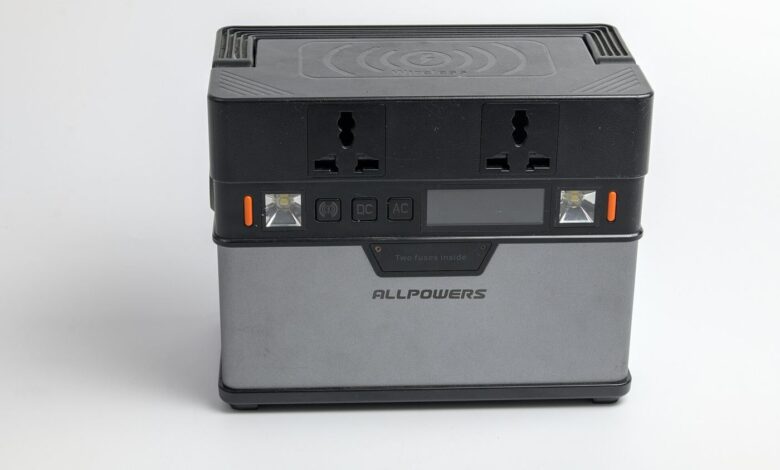
A portable power station is essentially a large rechargeable battery in a box, with sockets for charging phones, laptops, cameras and even small appliances far from any wall outlet. Campers use them to keep lights and fridges running at a remote site, photographers rely on them to recharge batteries on location, and homeowners keep one ready for power cuts, when it can run a router, a lamp and a phone charger for hours. Unlike a petrol generator, a power station is silent, produces no fumes and can be used safely indoors, which makes it popular for flats and for work on film sets where noise matters. Most models recharge from a wall socket, a car, or a folding solar panel, and a display shows exactly how much charge remains and how long it will last. The category has grown fast as batteries have become cheaper and more powerful. Some models can even jump-start a car, adding roadside rescue to their list of jobs.
What the Evidence Shows
Buying one comes down to capacity and output. Capacity, measured in watt-hours, decides how long the station can run a device, while the output, measured in watts, decides what it can power: a phone needs very little, a laptop more, and a kettle or a heater far more than most portable stations can supply. Larger stations can run a small fridge overnight or power tools on a building site, but they are heavy to carry and take longer to recharge. Solar charging has become a popular pairing, letting campers top up the battery during the day and use the power at night. Safety matters too, since the lithium batteries inside need proper protection circuits and cooling. For anyone who works or travels beyond the reach of mains power, a portable power station has become the quiet alternative to the noisy generator. Reporting and analysis from sources such as Wired track the same developments, and specialists following the portable power stations keeping gear running off grid say the direction is now consistent across independent lines of evidence.
The Wider Context
The wider context is an industry learning to ship capability and restraint together. Products built around the portable power stations keeping gear running off grid now launch with safety evaluations, usage data and rollback plans as standard, because enterprise buyers and regulators ask for them in the first meeting. Companies that treated those questions as friction are discovering they have become the purchase criteria.
What Happens Next
What happens next for the portable power stations keeping gear running off grid depends less on another breakthrough than on the unglamorous work of reliability, pricing and support. The buyers evaluating it now are not enthusiasts; they are operators with budgets and auditors, and their checklists will decide the timeline. On the evidence of the current pilots, the technology has earned the right to be judged by them. You can follow related developments in our coverage of technology.
None of this will be settled by a single announcement, study or product launch. The pattern to watch is accumulation: independent confirmations, honest reporting of failures and steady improvement in the underlying numbers. Readers who follow those signals, rather than the loudest claim of the week, will understand this subject better than most of the commentary surrounding it suggests is possible.