The evolution of sports-based digital entertainment has introduced such a format as virtual sports. Users can observe computer-generated matches that operate on specific rules, team strength, player profile, and simulated events. The Fairplay is an example of a platform related to this kind of entertainment. Knowing the process of creating matches and producing results will make it easier to understand virtual sports.
What Are Virtual Sports?
Virtual sports are a computer-generated version of some sporting event. The software system creates teams, players, venue, match conditions and potential events. These elements are processed through the mathematical model to produce the result of a simulated event.
Unlike the live sports, the simulated match does not depend on stadium where it takes place, weather conditions, potential injuries and decisions made by a referee. All this takes place within the digital environment.
The format of virtual sports can include various types of events such as football, horse racing, basketball, tennis and other popular games. Simulated events may last a few minutes so several events may be provided within a short time.
The main thing is easy to explain: the virtual match is not a recording of a certain real match. This is a new simulated event generated by a software system.
Simulated Matches and Virtual Sports Markets
Virtual sports systems usually work by several technical stages which may vary but the basic ones are:
- Teams and players data are assigned to the simulation.
- Mathematical model evaluates possible events.
- Randomisation introduces variability into the match.
- Actions like goals, points, serves, finishes are generated by the system.
- The result is produced in the form of graphics, animation or results panel.
Randomisation introduces variability but the system continues to work according to its programmed rules.
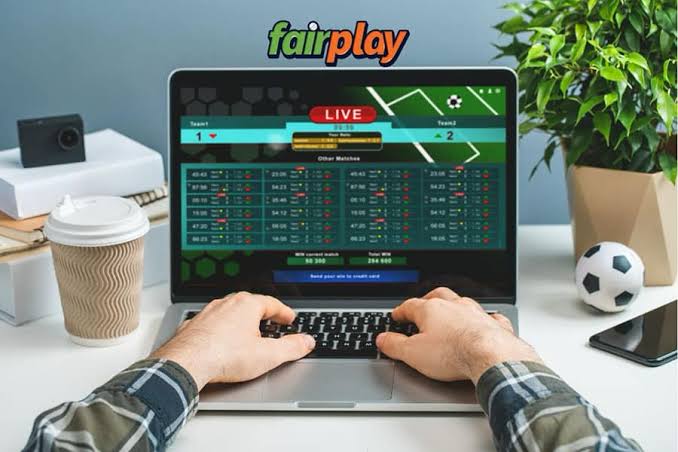
The Fairplay platform provides these events through the dashboard where user can see upcoming matches, event details, results and information about markets. The interface of this platform can vary so users should pay attention to the information rather than to the screen design.
Understanding Virtual Sports Markets
Virtual sports markets are constructed on the possible outcomes of the simulated event. For example, in case of simulated football match there are possibilities connected with the winner team, number of goals and other match statistics.
It is important to remember that this is information about the computer-generated event and not a real-world match. The simulation follows programmed rules and has its own data model.
It is important to check such things as the meaning of the selection, method of determining the result and closure of market before using market information. This will help to avoid mistakes.
It is necessary to remember that previous results cannot serve as a guarantee of the future one. For example, even if one simulated team won several times in a row it cannot be a guarantee of its further victory. Every event is generated by the system according to its underlying process.
Why It Is Important to Learn the Rules
Many users pay attention to animation and do not think about the software generating the result. Learning the basic rules will help to understand better what is going on.
It is helpful to use the following checklist when analysing an event:
- Sport and match format identification.
- Checking the scheduled start and result time.
- Careful reading of the market description.
- Understanding of how the result is defined.
- Checking of the displayed result after the event.
- Knowing of the rules used by the platform.
The process of the Fairplay login leads users to the account dashboard where event details and other information can be seen. The features of account can vary depending on the service and the region where it is used so users should read the terms of the service before using any account-related functionality.
What Differences Between Virtual Matches and Live Sports Are?
The main difference between these formats is in the source of the result of the match. In case of live sports it depends on real players competing in the physical environment. In case of virtual sports the result is produced by the software system.
This difference makes some practical differences:
- Virtual matches finish much faster than live ones.
- Simulation is consistent as it follows programmed rules and does not change according to real-world circumstances.
- Result is usually presented in the form of animation, graphics, statistics and short event timeline.
- Virtual result does not depend on what happened in real-world match earlier in the day.
All these differences mean that users should not consider virtual sports statistics as the data about performance of real teams.
How to Read Information Correctly
The simple approach works the best in this case. First, identify the event, then read the market definition and finally check the rules of the result.
Do not use screenshots, social media claims or other unofficial sources to check account and platform information. If you need any information related to the service you should look for it on the Visit Our Website or in the account and help sections of the platform.
Also, it is useful to check whether the information is actual. Platforms are constantly updating their interfaces, formats of events, terms and account-related procedures. Outdated guides may contain steps that are not applicable to the current system anymore.
Account Access and Safe Online Practices
If you already have an account, use the credentials correctly and follow the current security instructions of the platform. Never share passwords, verification codes and other personal information of your account with other people.
When accessing the Fairplay official service, it is useful to check that you are using the correct destination before entering account details. This practice can help you to avoid visiting misleading pages or sharing personal information with unknown destination.
The page for the Fairplay login should be considered as any other account area. Use the strong password, avoid saving your credentials on the shared device and sign out when using the public computer.
Conclusion
Virtual sports are computer-generated sporting events created to offer fast and structured simulations. They are based on the programmed model, randomisation and predefined rules and not on real players and real-world conditions.
Knowing how the simulations are created and how virtual markets are defined, it becomes much easier to understand this format. The best approach is to read the rules carefully, check the current information, protect your account credentials and do not assume that previous simulated results will be repeated.